

 Image 1 of 1
Judicial Branch
Judicial Referral Sober Living Program
Structured Recovery Housing | Colorado Springs
Program Overview
Our Judicial Referral Sober Living Program provides a highly structured, accountability-driven housing solution for individuals involved in the criminal justice system who are seeking long-term recovery from substance use disorders. This program is designed to support court-ordered requirements while promoting stability, compliance, and successful community reintegration.
We work in coordination with probation officers, case managers, treatment providers, and judicial partners to ensure residents meet expectations and demonstrate measurable progress.
Program Objectives
Reduce recidivism through structured sober living
Support sustained sobriety and behavioral accountability
Provide stable housing to prevent relapse and reoffending
Assist residents in securing employment and reintegrating into the community
Ensure compliance with court-ordered conditions and reporting requirements
Core Program Components
1. Structured Living Environment
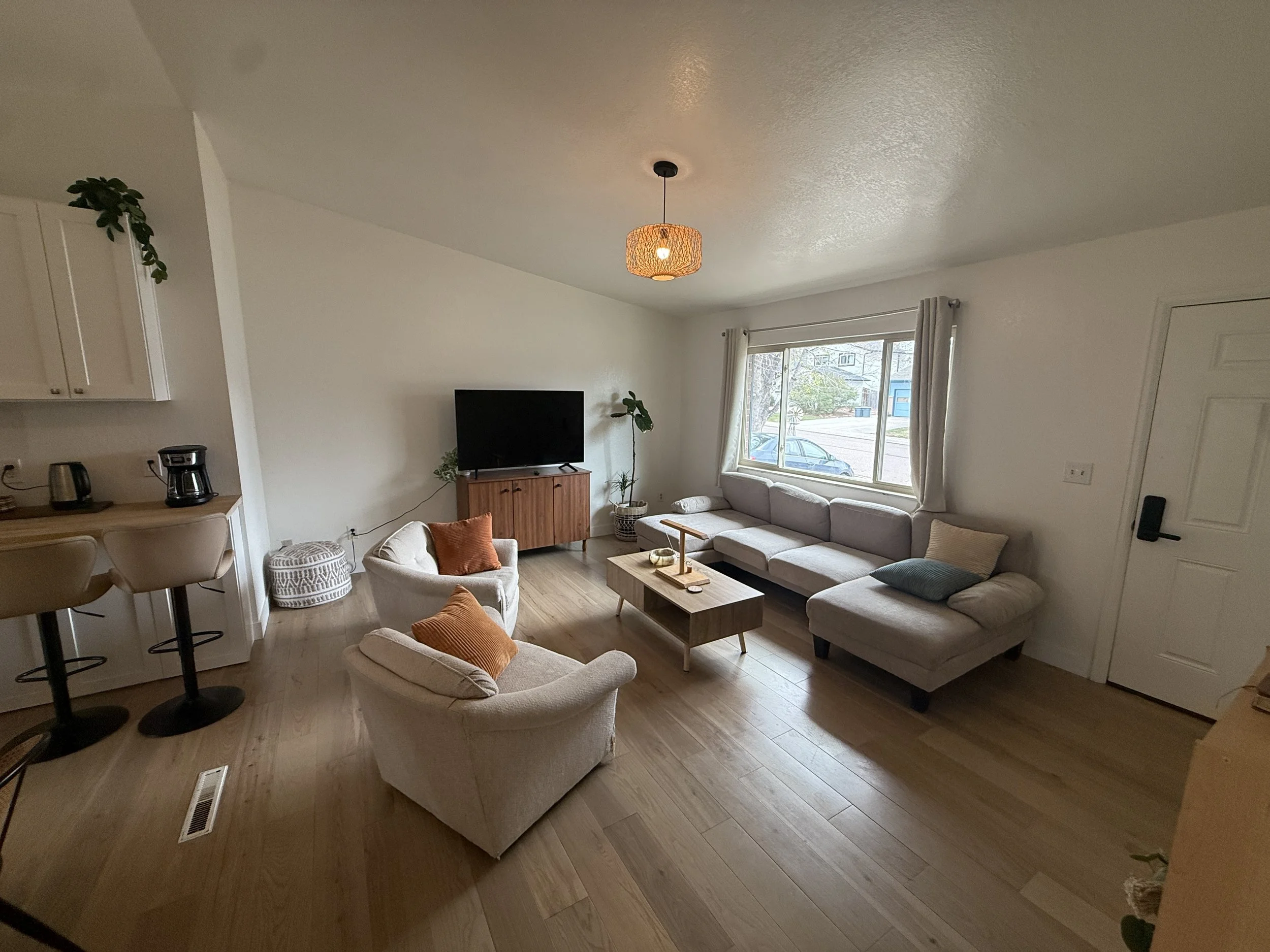
Residents live in a substance-free home with clearly defined expectations, curfews, and behavioral standards. Daily structure is enforced to promote responsibility and routine.
2. Accountability & Monitoring
Random drug and alcohol testing
Mandatory house meetings
Curfew enforcement and check-ins
Immediate reporting of violations when required
3. Case Coordination
We maintain consistent communication with referring agencies, including:
Probation and parole officers
Court systems
Treatment providers
Progress updates, compliance reports, and incident documentation are available upon request.
4. Recovery Integration
Residents are required to actively engage in recovery, including:
Attendance at approved recovery meetings (AA/NA or equivalent)
Participation in outpatient or recommended treatment programs
Peer accountability within the home
5. Employment & Life Skills Support
Residents are expected to pursue employment, education, or vocational training. Guidance is provided to support job readiness, scheduling, and long-term independence.
6. On-Site Support Staff
Staff (including CNAs where applicable) provide oversight, support, and ensure program standards are upheld at all times.
Eligibility Criteria
Court-referred, probation, or parole clients
Individuals medically stable and appropriate for a non-clinical housing environment
Willingness to comply with all house rules and program expectations
Commitment to sobriety and active participation in recovery
Compliance & Reporting
We prioritize transparency and reliability for our judicial partners:
Timely communication regarding compliance or violations
Written reports available for court review
Immediate notification of relapse, discharge, or behavioral concerns (as required)
Program Outcomes
Our model is designed to deliver:
Increased program completion rates
Reduced relapse and recidivism
Improved employment and life stability outcomes
Stronger alignment between housing and judicial expectations
Referral Process
Referrals can be made directly by courts, probation officers, case managers, or treatment providers. Intake assessments are conducted promptly to allow for efficient placement.
Contact & Placement
For referrals, availability, or program details, please contact our intake team. We offer fast placement options to support urgent judicial needs.
Judicial Referral Sober Living Program
Structured Recovery Housing | Colorado Springs
Program Overview
Our Judicial Referral Sober Living Program provides a highly structured, accountability-driven housing solution for individuals involved in the criminal justice system who are seeking long-term recovery from substance use disorders. This program is designed to support court-ordered requirements while promoting stability, compliance, and successful community reintegration.
We work in coordination with probation officers, case managers, treatment providers, and judicial partners to ensure residents meet expectations and demonstrate measurable progress.
Program Objectives
Reduce recidivism through structured sober living
Support sustained sobriety and behavioral accountability
Provide stable housing to prevent relapse and reoffending
Assist residents in securing employment and reintegrating into the community
Ensure compliance with court-ordered conditions and reporting requirements
Core Program Components
1. Structured Living Environment
Residents live in a substance-free home with clearly defined expectations, curfews, and behavioral standards. Daily structure is enforced to promote responsibility and routine.
2. Accountability & Monitoring
Random drug and alcohol testing
Mandatory house meetings
Curfew enforcement and check-ins
Immediate reporting of violations when required
3. Case Coordination
We maintain consistent communication with referring agencies, including:
Probation and parole officers
Court systems
Treatment providers
Progress updates, compliance reports, and incident documentation are available upon request.
4. Recovery Integration
Residents are required to actively engage in recovery, including:
Attendance at approved recovery meetings (AA/NA or equivalent)
Participation in outpatient or recommended treatment programs
Peer accountability within the home
5. Employment & Life Skills Support
Residents are expected to pursue employment, education, or vocational training. Guidance is provided to support job readiness, scheduling, and long-term independence.
6. On-Site Support Staff
Staff (including CNAs where applicable) provide oversight, support, and ensure program standards are upheld at all times.
Eligibility Criteria
Court-referred, probation, or parole clients
Individuals medically stable and appropriate for a non-clinical housing environment
Willingness to comply with all house rules and program expectations
Commitment to sobriety and active participation in recovery
Compliance & Reporting
We prioritize transparency and reliability for our judicial partners:
Timely communication regarding compliance or violations
Written reports available for court review
Immediate notification of relapse, discharge, or behavioral concerns (as required)
Program Outcomes
Our model is designed to deliver:
Increased program completion rates
Reduced relapse and recidivism
Improved employment and life stability outcomes
Stronger alignment between housing and judicial expectations
Referral Process
Referrals can be made directly by courts, probation officers, case managers, or treatment providers. Intake assessments are conducted promptly to allow for efficient placement.
Contact & Placement
For referrals, availability, or program details, please contact our intake team. We offer fast placement options to support urgent judicial needs.